



Women in Climate Action
Combating Disasters through Gender Empowerment and Economic Development
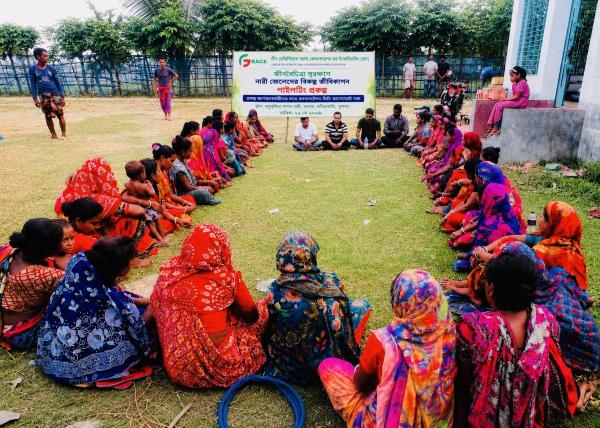
In 2024, GRACE conducted a rigorous census in Khulna City and Botiaghata, reaching 356 households. The study identified 125 women-headed households as the most climate-vulnerable, facing economic marginalization, social inequality, and recurring climate hazards. These findings highlighted the urgent need to address gender inequality, empower women, and create sustainable pathways for resilience.

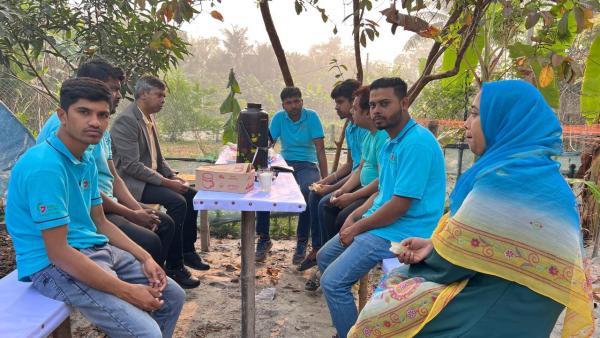
To break the cycle of vulnerability, GRACE launched an integrated women-led initiative that is transforming lives. Women are no longer silent victims of climate change; they are becoming climate activists, role models, and voices of resilience—leading adaptation and economic development within their communities.

Integrated Approaches Driving Change
GRACE’s program equips women with tools, training, and support to combat climate-induced risks and build sustainable livelihoods:
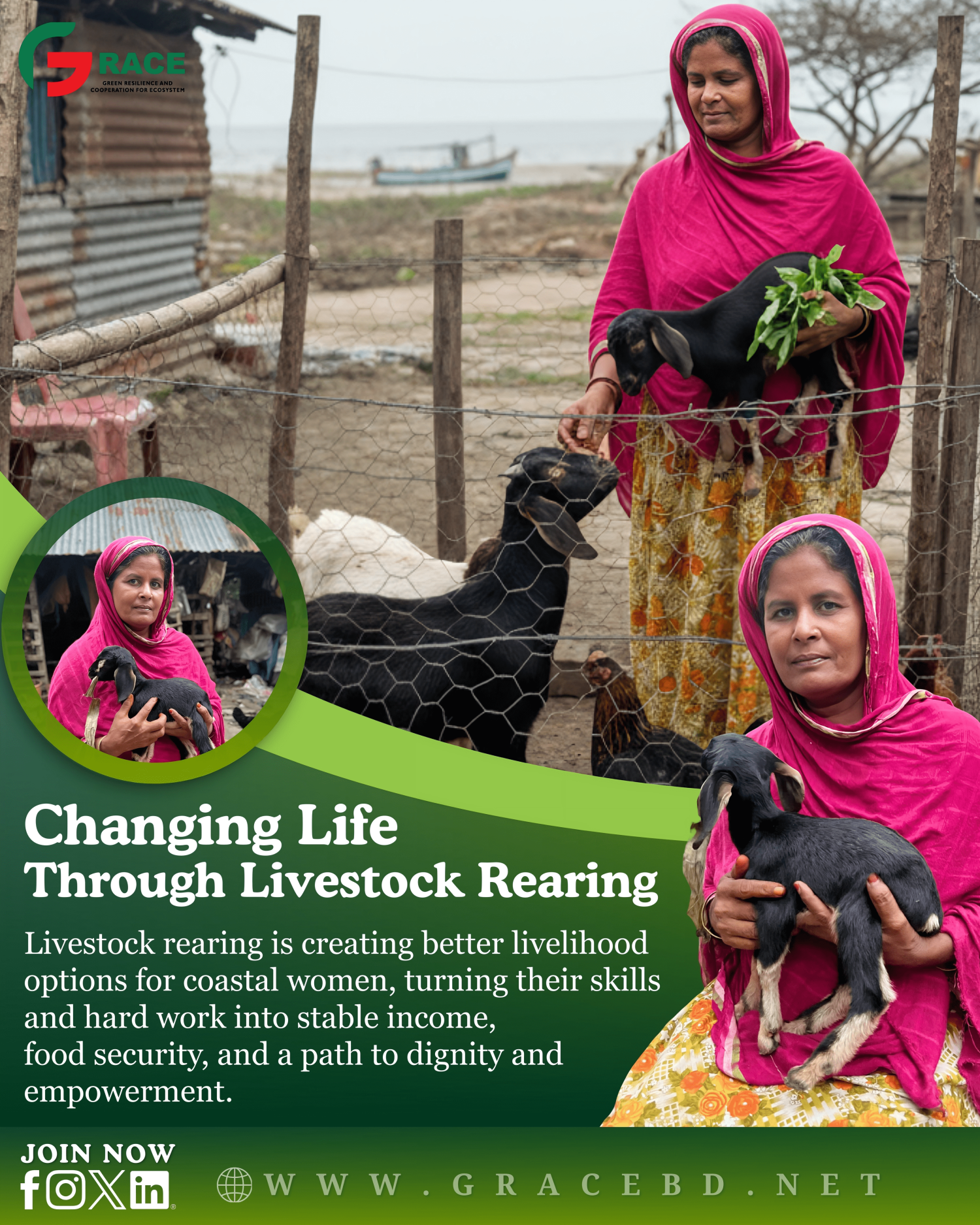
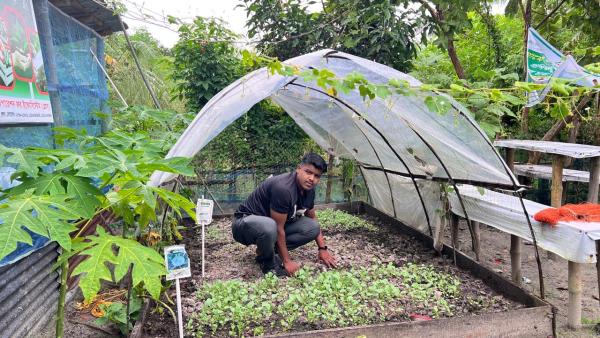
- Capacity Building: Training on climate-adaptive livelihoods such as green agriculture, poultry and livestock rearing, aquaculture, and social business ventures.
- Green Entrepreneurship: Special focus on coconut-based interventions and sustainable business models that ensure both climate adaptation and economic growth.
- Entrepreneurship & Leadership Development: Women are trained in business skills, leadership, and market linkages to strengthen their economic independence.
- Input Support: Distribution of saline-tolerant high-yield seeds, vegetable saplings, coconut plants, and duck chicks to enhance climate-smart production.

Tangible Impacts
The results are powerful and transformative:
• Women are raising their voices against climate injustice and becoming recognized community leaders.
• Household incomes are steadily increasing, reducing economic vulnerability.
• Children from beneficiary families are now attending school regularly.
• Gender relations are shifting—men in the community are showing greater respect, sharing household and agricultural work, and supporting women’s leadership.
• Mental health resilience is improving as women “bounce back” from repeated climate shocks with newfound confidence.

This initiative demonstrates how women’s empowerment is central to combating climate change and disaster vulnerability. By supporting GRACE, it should be scale up these integrated interventions, ensuring that more vulnerable women gain access to resources, training, and opportunities to thrive.
Every contribution to this cause is an investment in climate resilience, gender equality, and sustainable economic development. Together, we can amplify women’s leadership in the fight against climate change—and build communities that are not just surviving, but thriving.
Explore further
Our Partners